No slides. No pitches. Just the right people in the right room.
You were invited because you're shaping how your organization thinks about climate, supply chain resilience, and sustainable operations. This is a private dinner for senior leaders navigating real complexity — a space for the conversations that don't happen on panels or in boardrooms. Chatham House Rules apply.
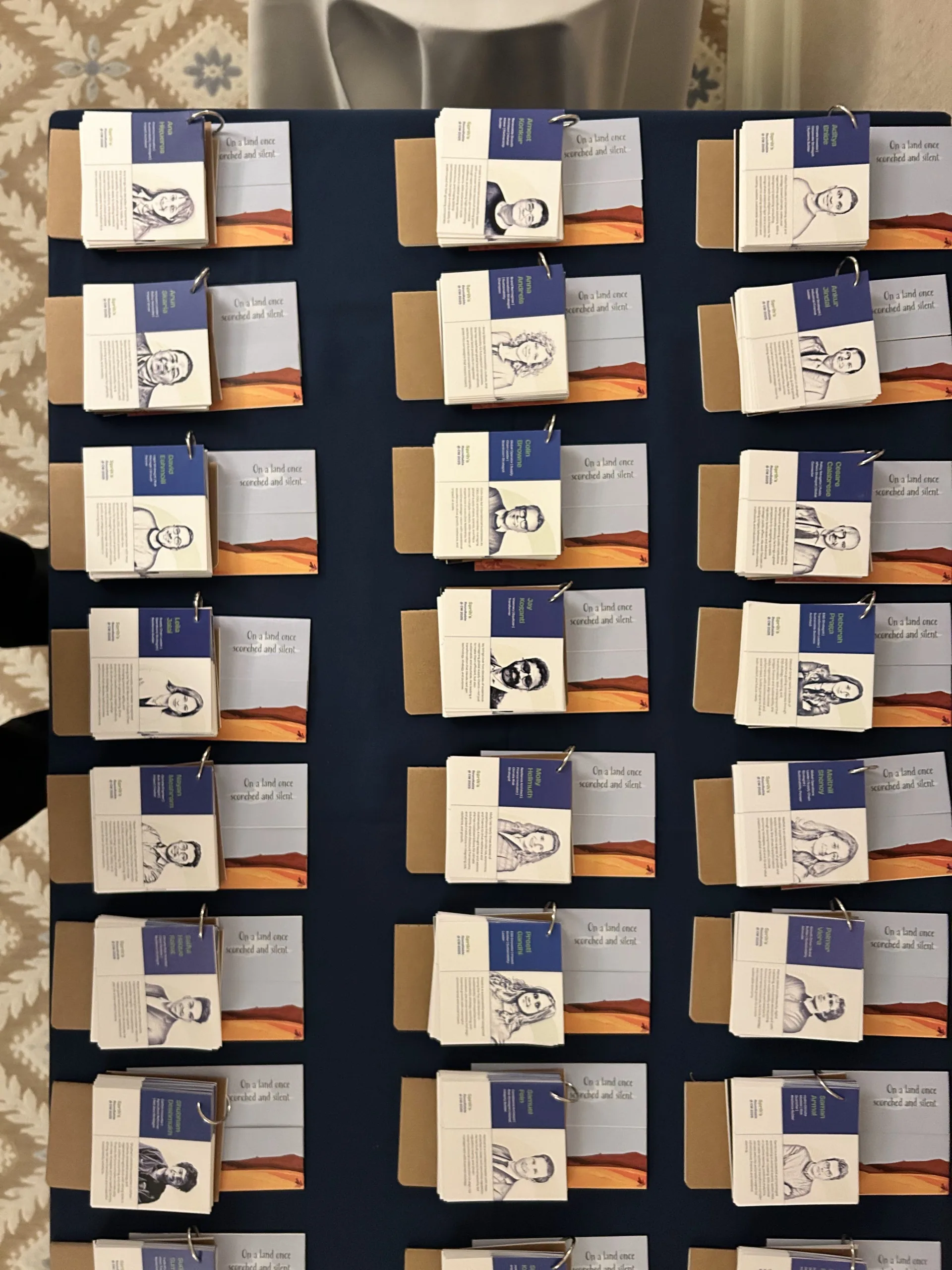
To honour the leaders who join us, we plant a tree in each of their names through 14Trees—a symbolic gesture rooted in the long-term thinking that sustainability demands. We look forward to welcoming you for the evening—and to growing this living forest together.
Not an agenda — a set of provocations. Come with your own.
The Supplier Blind Spot
Most Scope 3 strategies stop at tier-1. How do you build visibility — and accountability — deeper into the supply chain?
Regulation as Strategy
CSRD, California Climate Laws, Climate Risk Assessments, TCFD, ISSB — is compliance a cost center or a competitive advantage?
AI for Climate, Not Just Reporting
This is where enterprise-grade engineering meets deep climate expertise. We blend product-first thinking with hands-on domain expertise to architect systems that are scalable, intelligent, and grounded in science.
The EveningDetails
Date
April 15, 2026
Time
6:00 PM — 9:00 PM
Location
MIT Samberg Conference Center
Past Round Tables
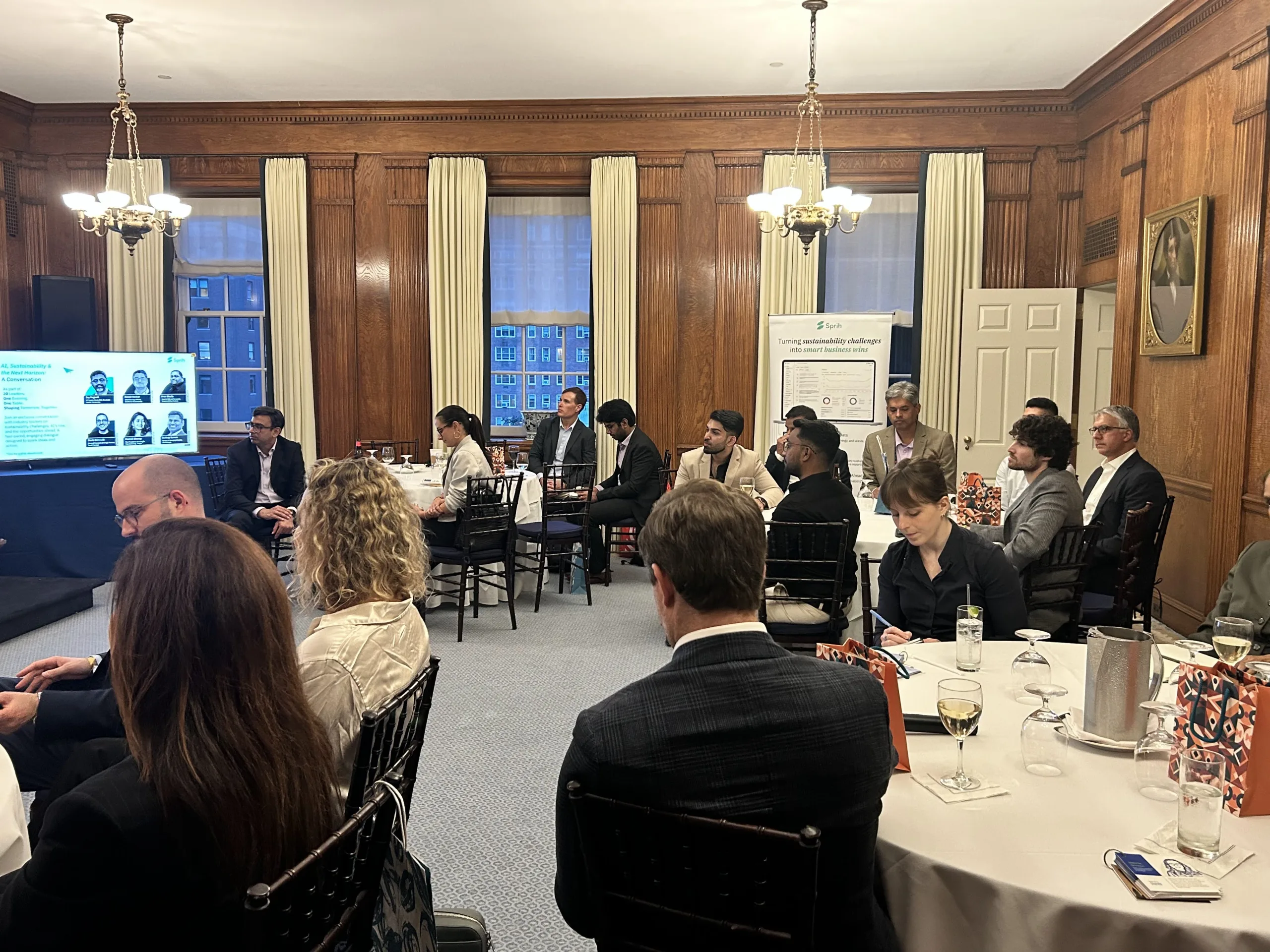
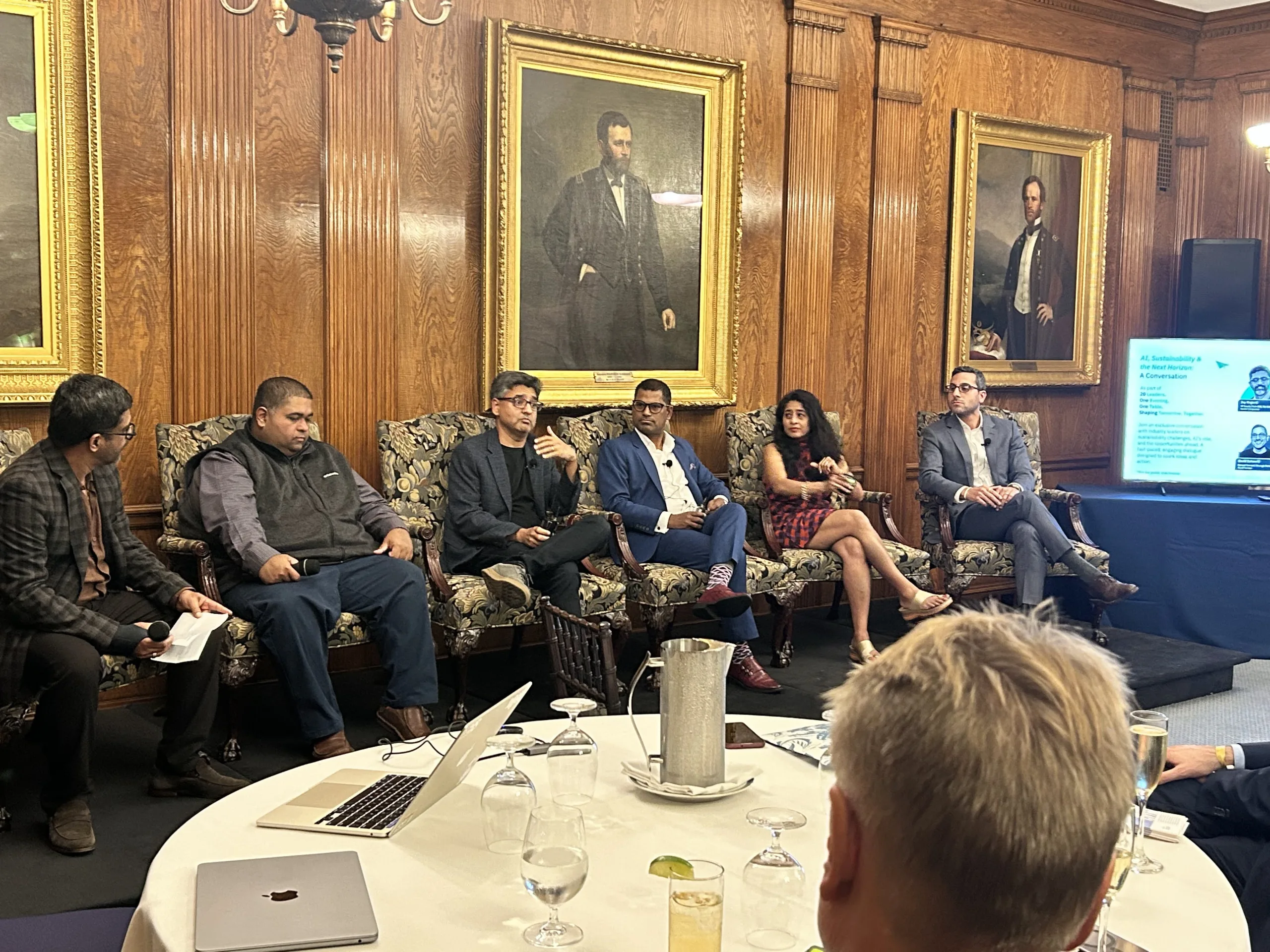
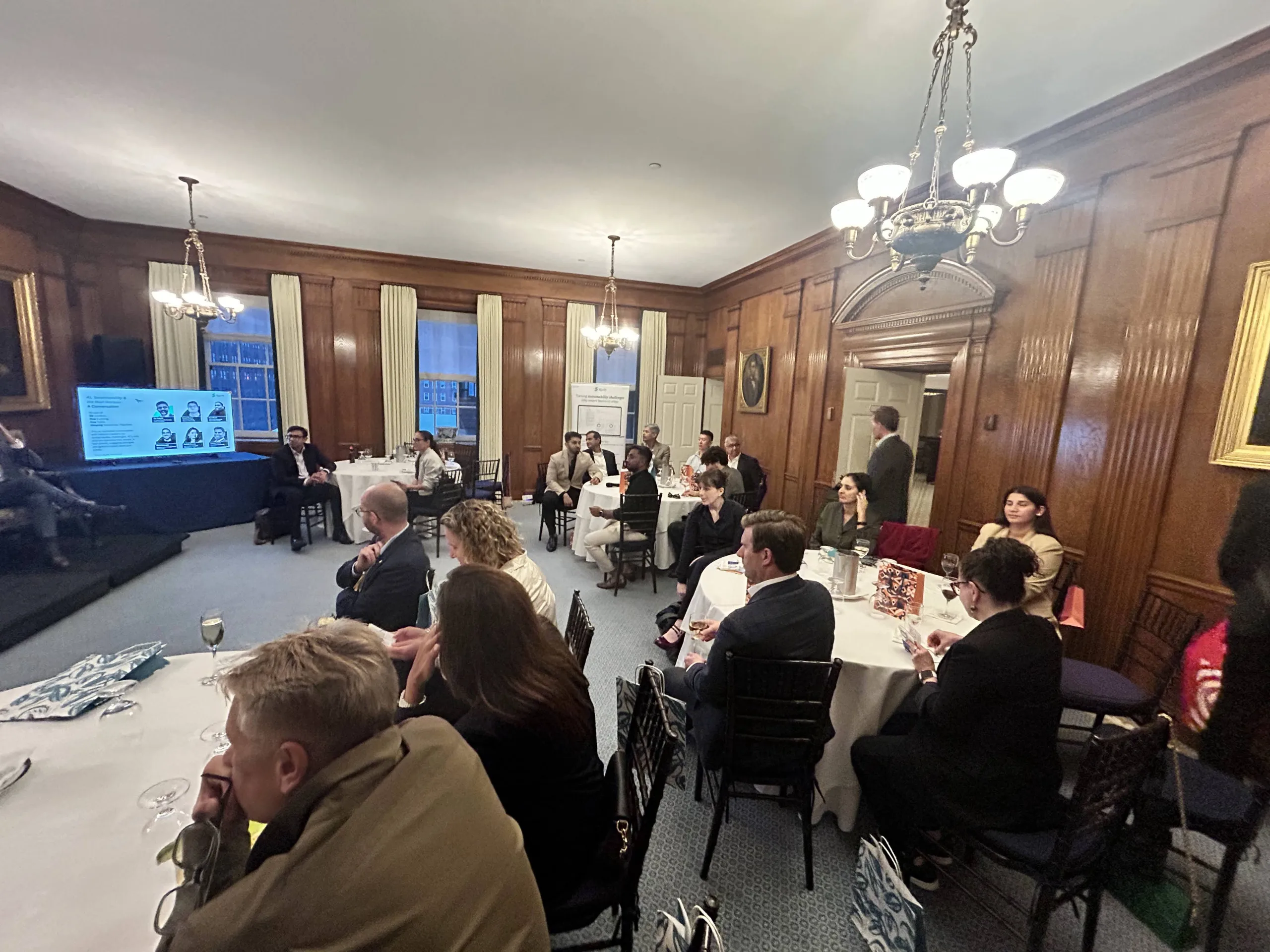
Roundtable @ NYC
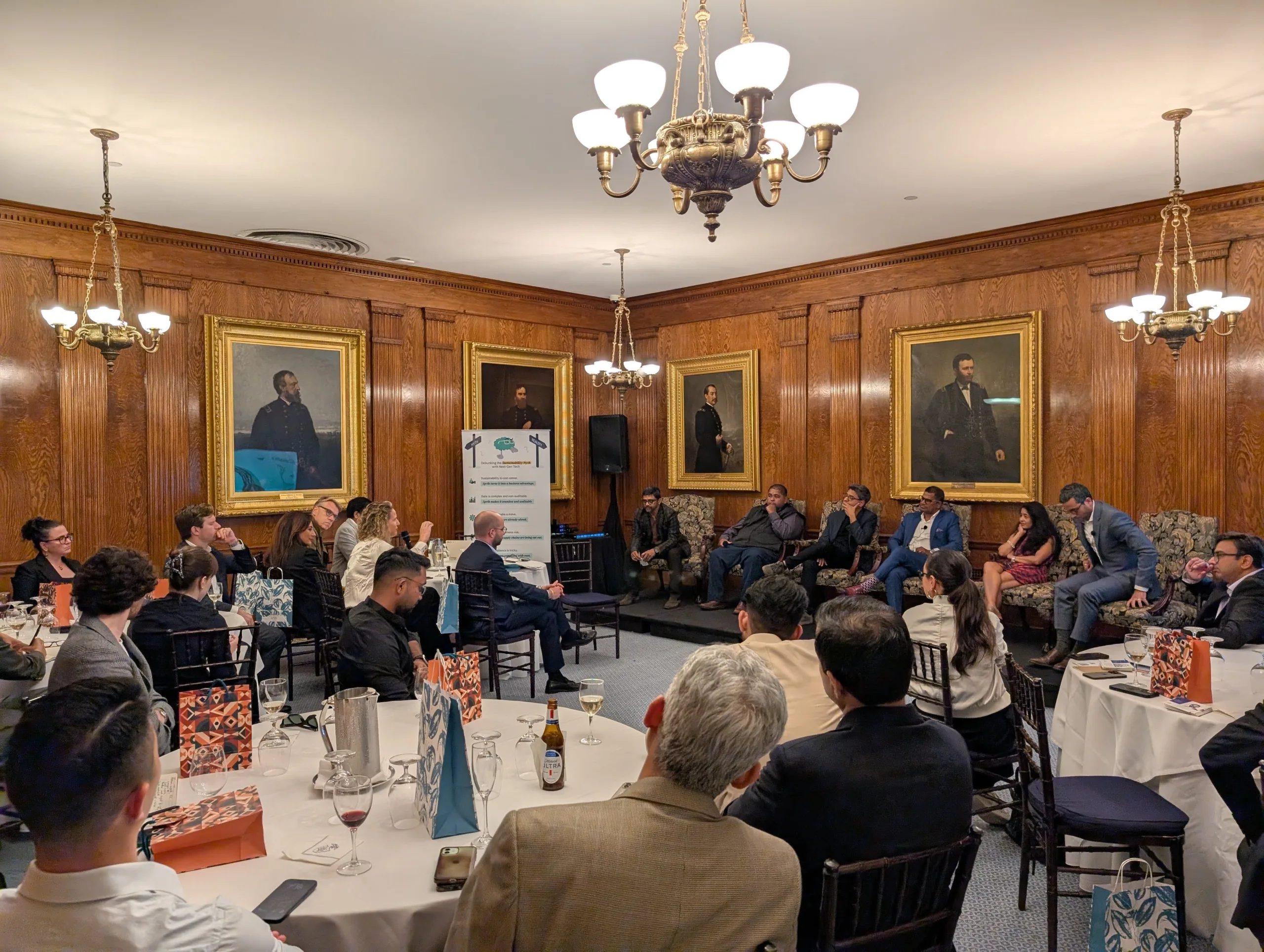
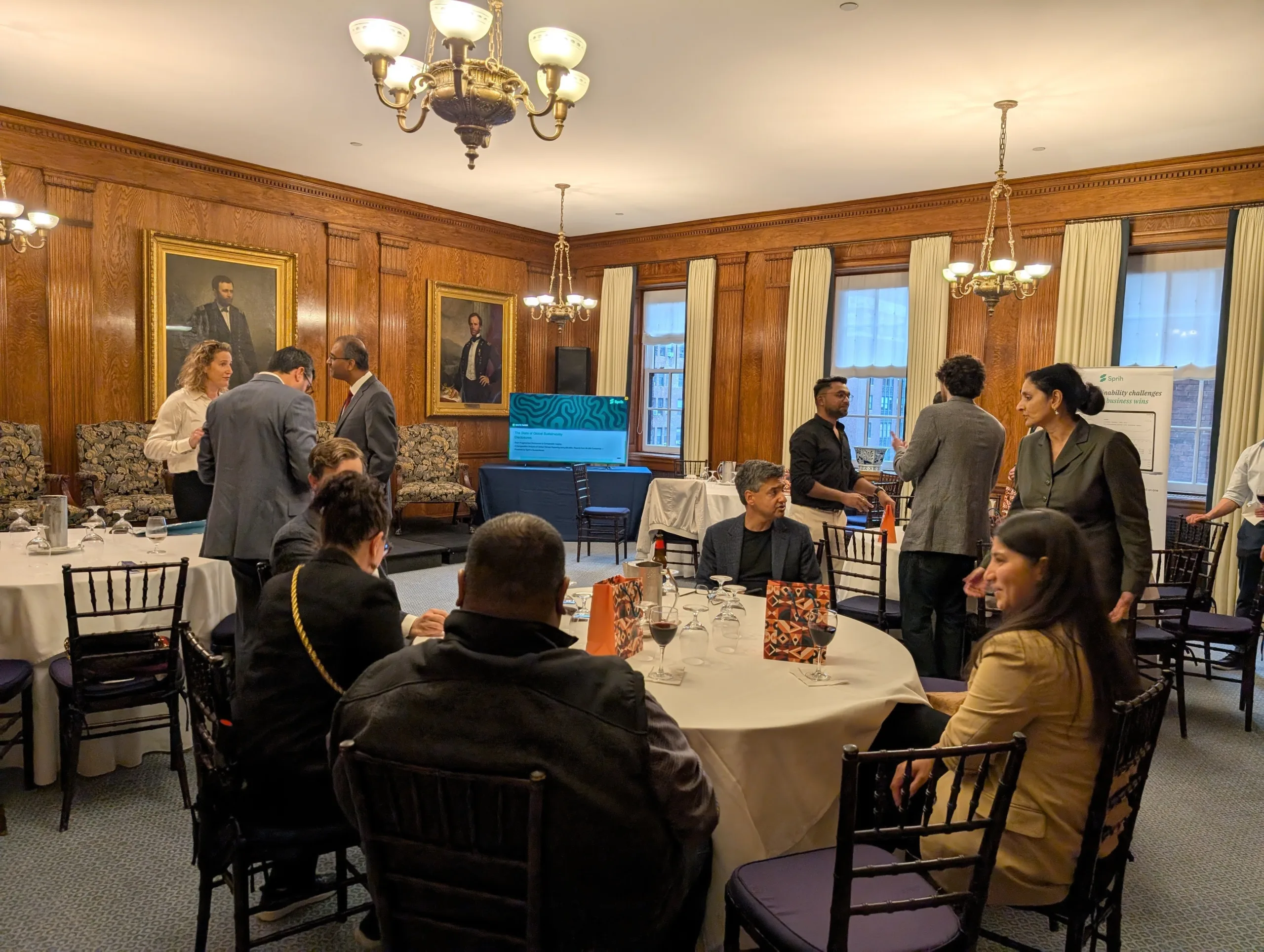
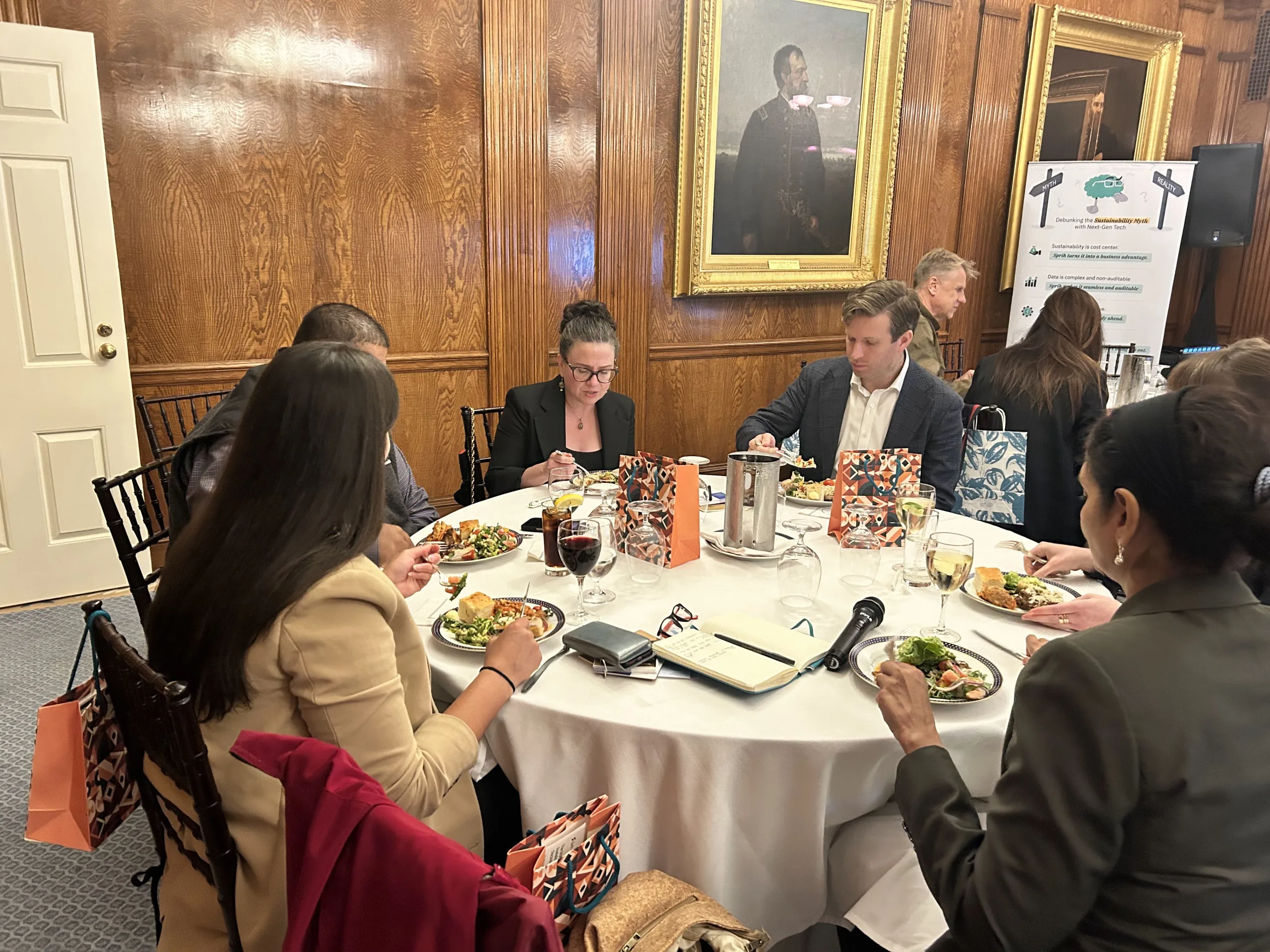
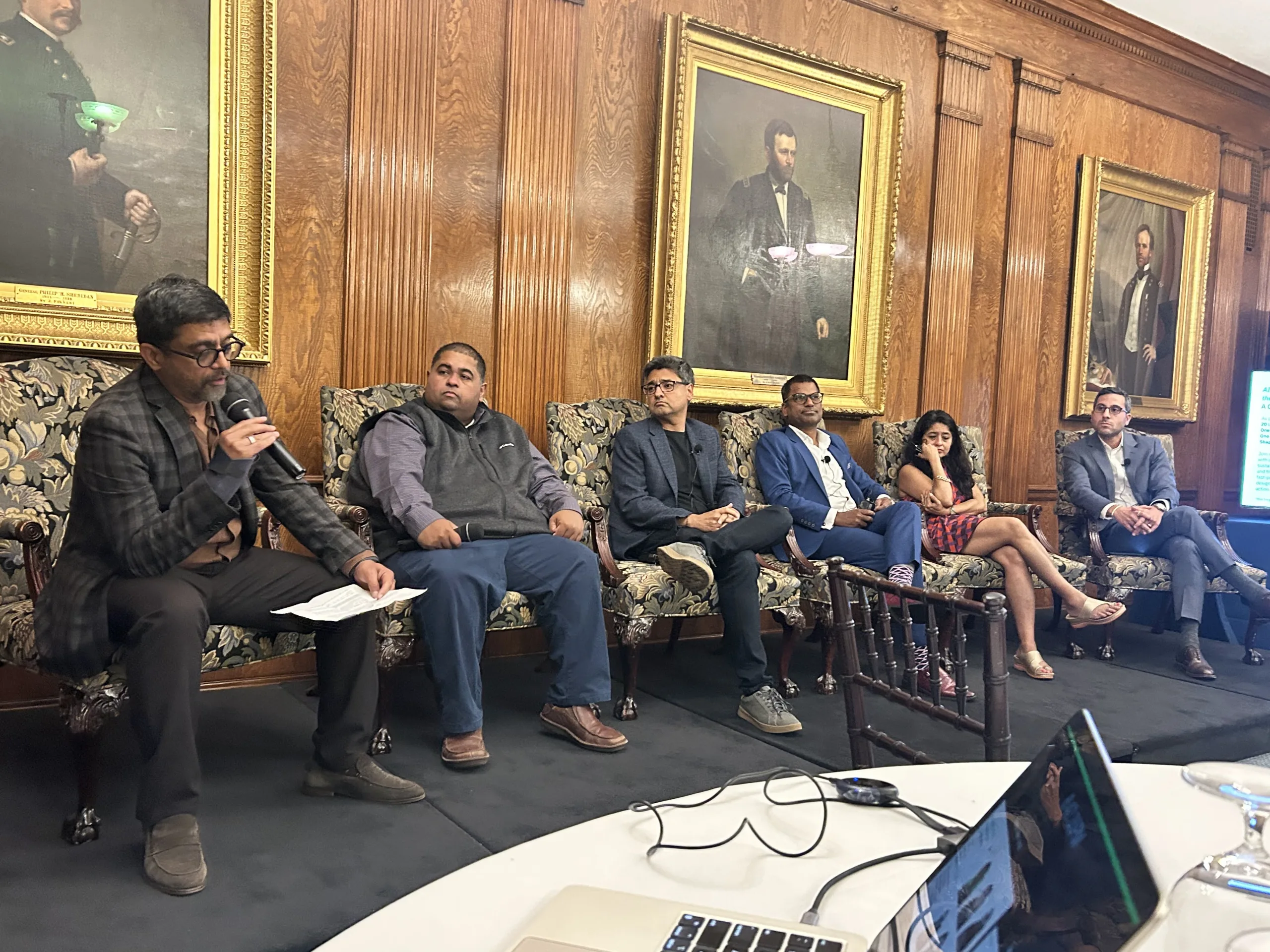
In the midst of Climate Week, we at Sprih had the privilege of adding our own chapter to the conversation. At the Union League Club, we hosted an exclusive roundtable dinner with executives from some of the world’s most iconic companies—Target, Estée Lauder, PepsiCo, David Yurman, AlixPartners, Alnylam, Arconic, and one of the world’s largest airlines, among others.
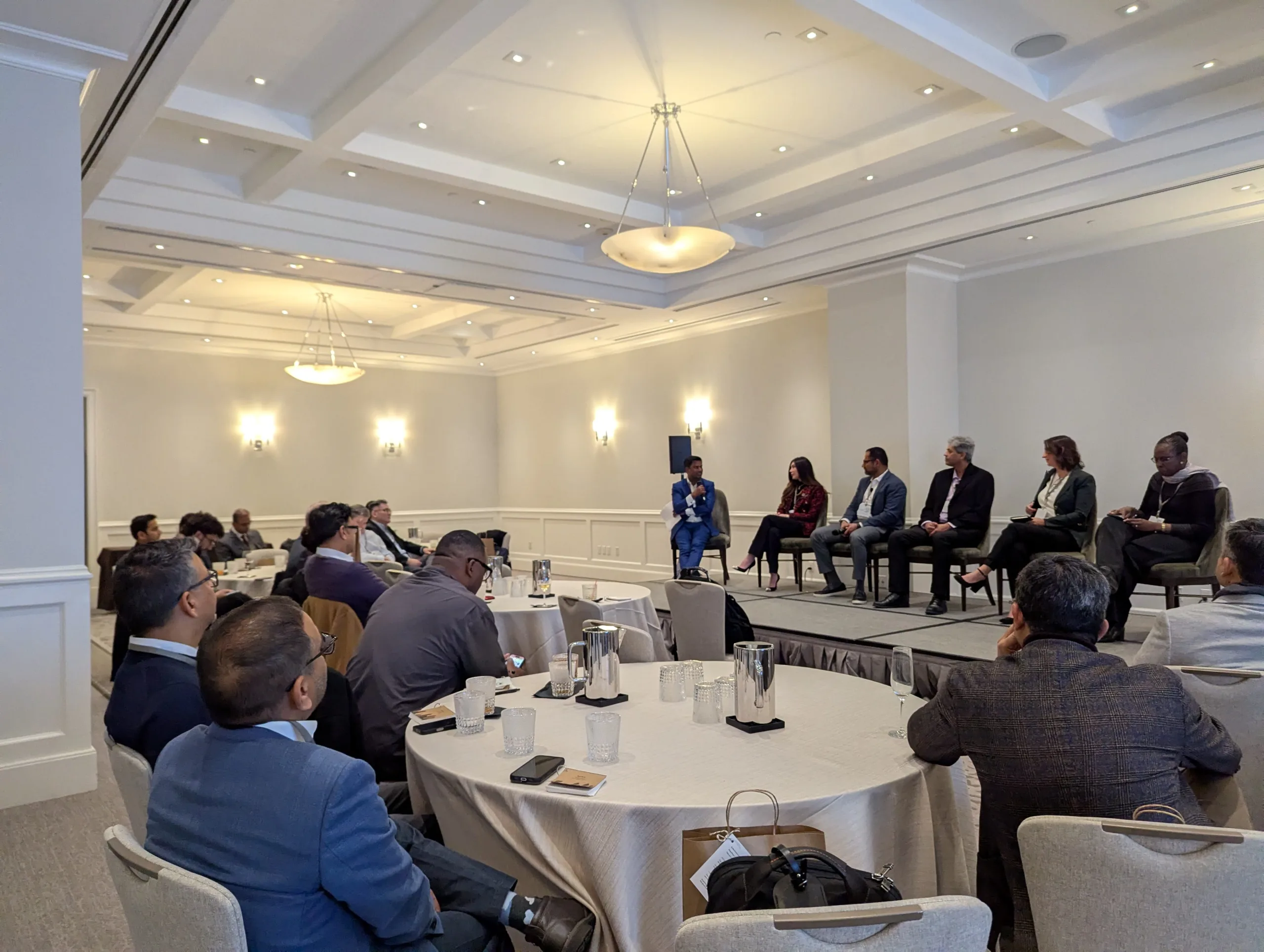
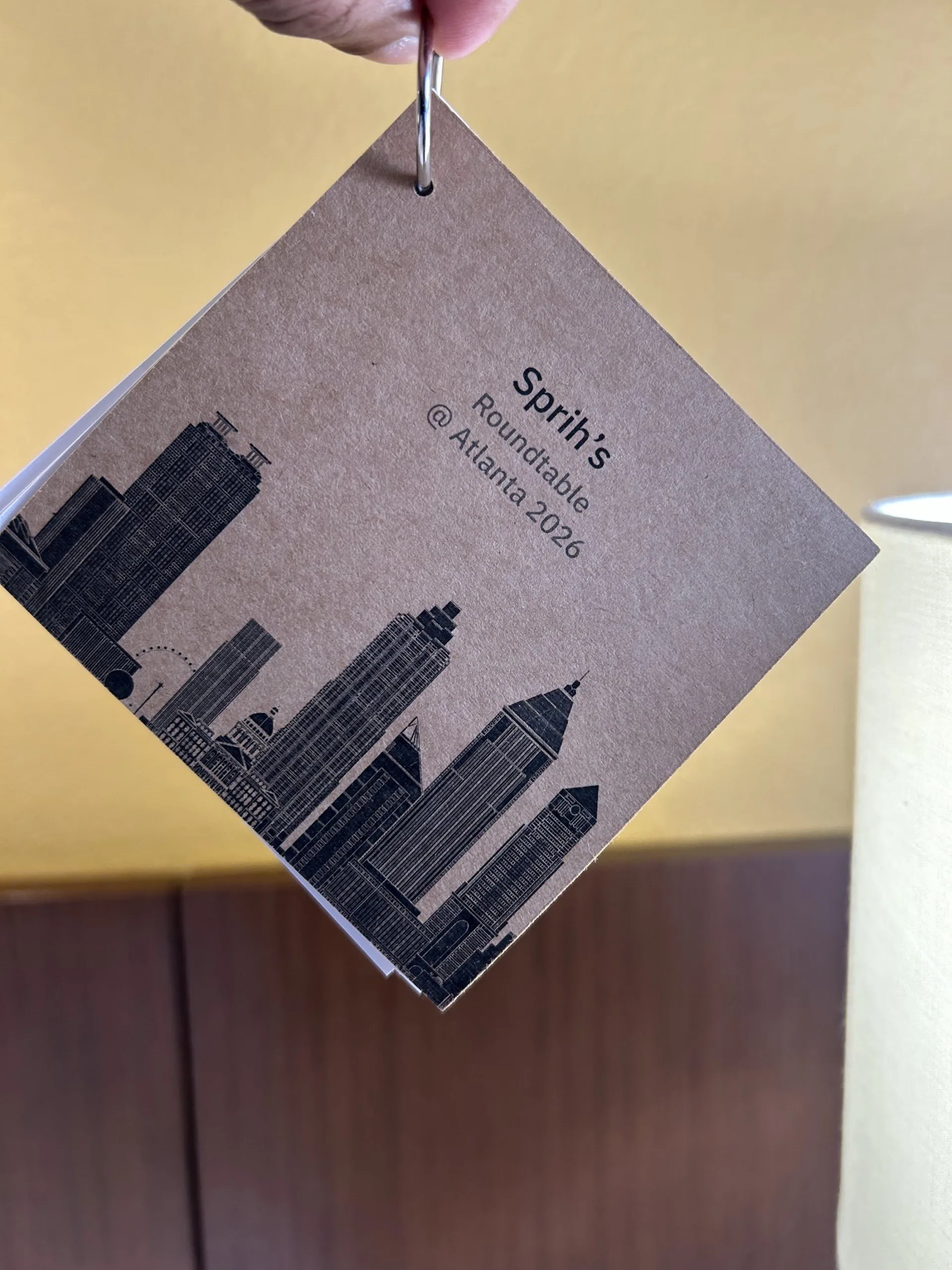
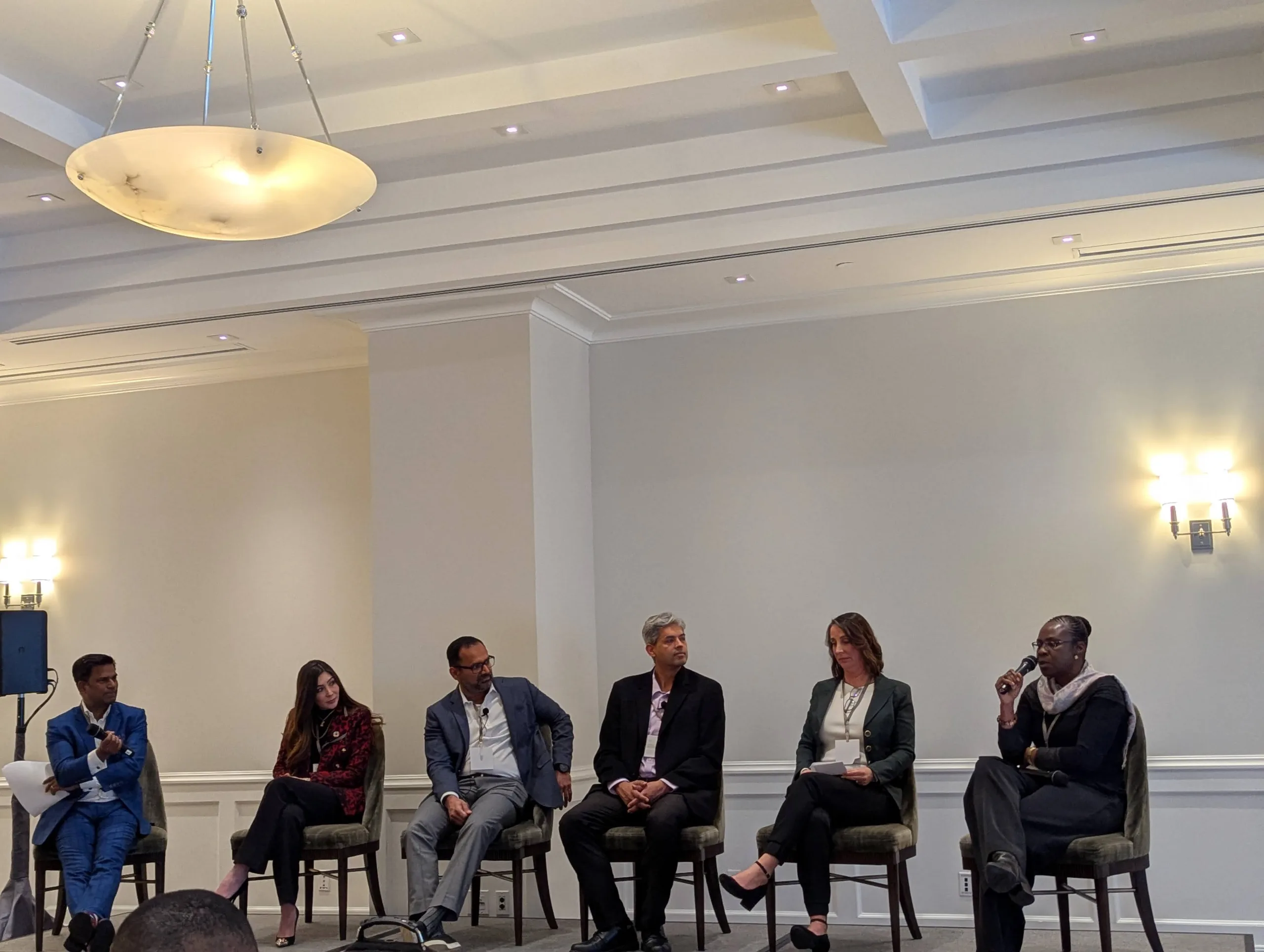
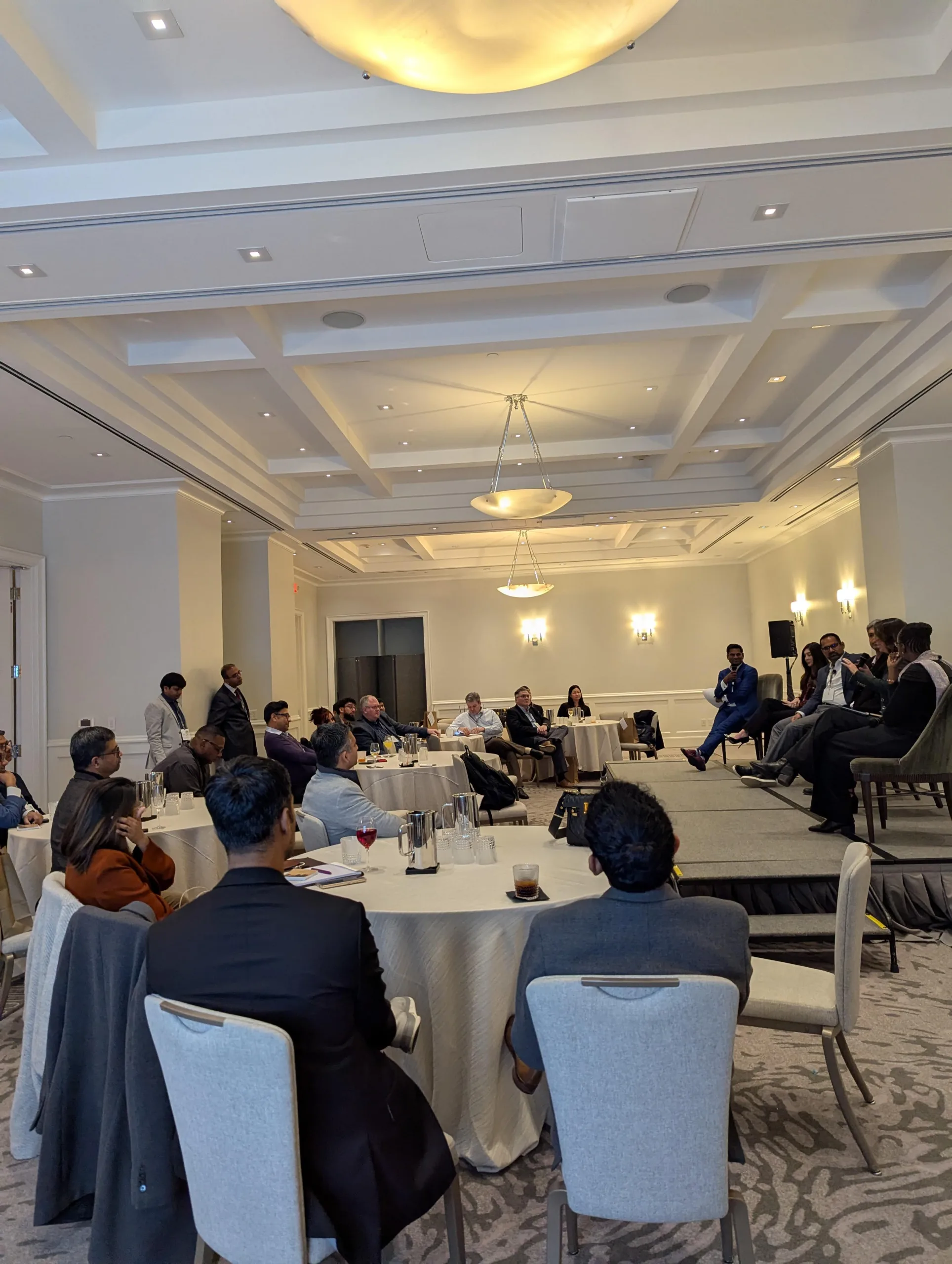
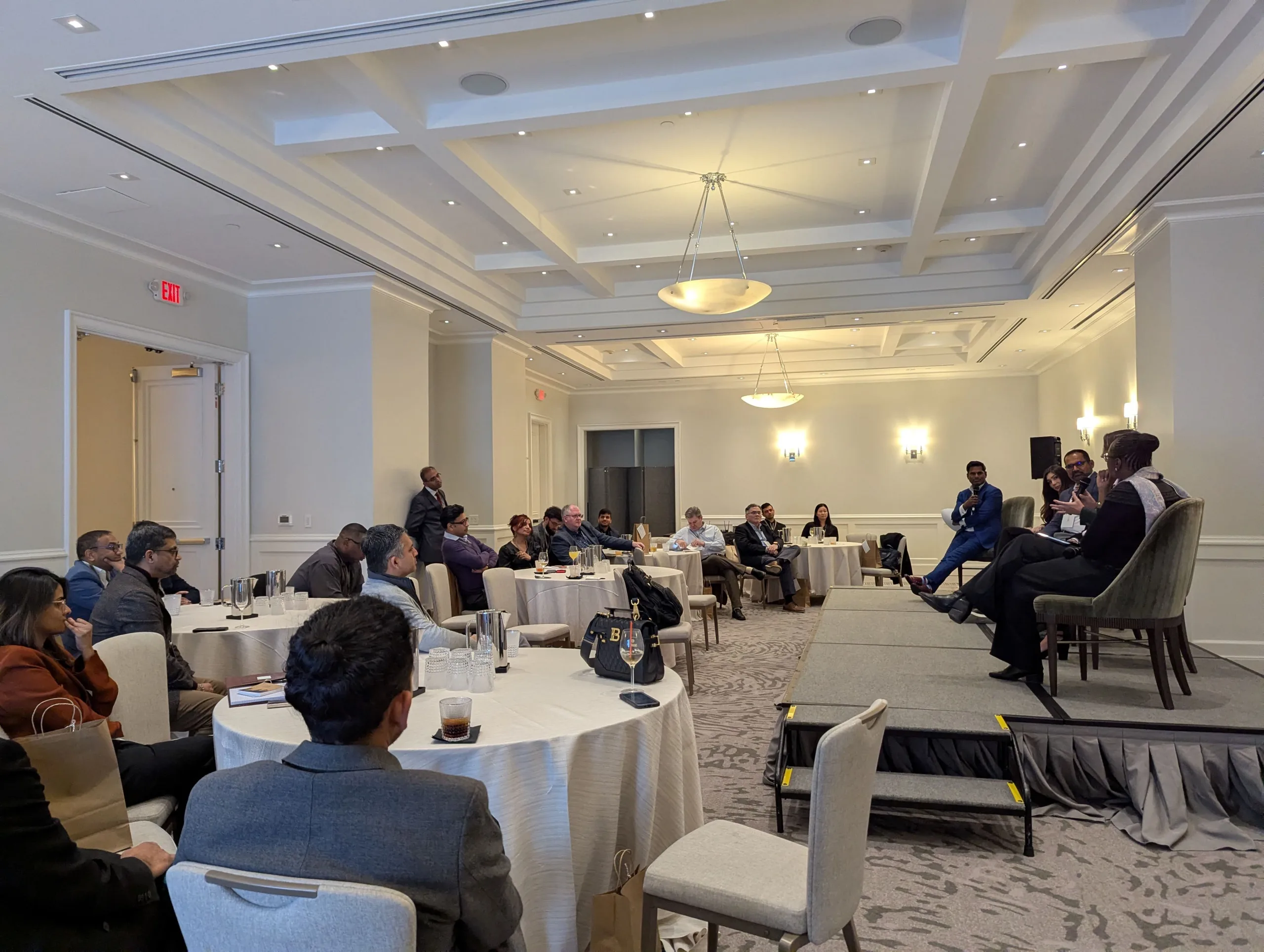
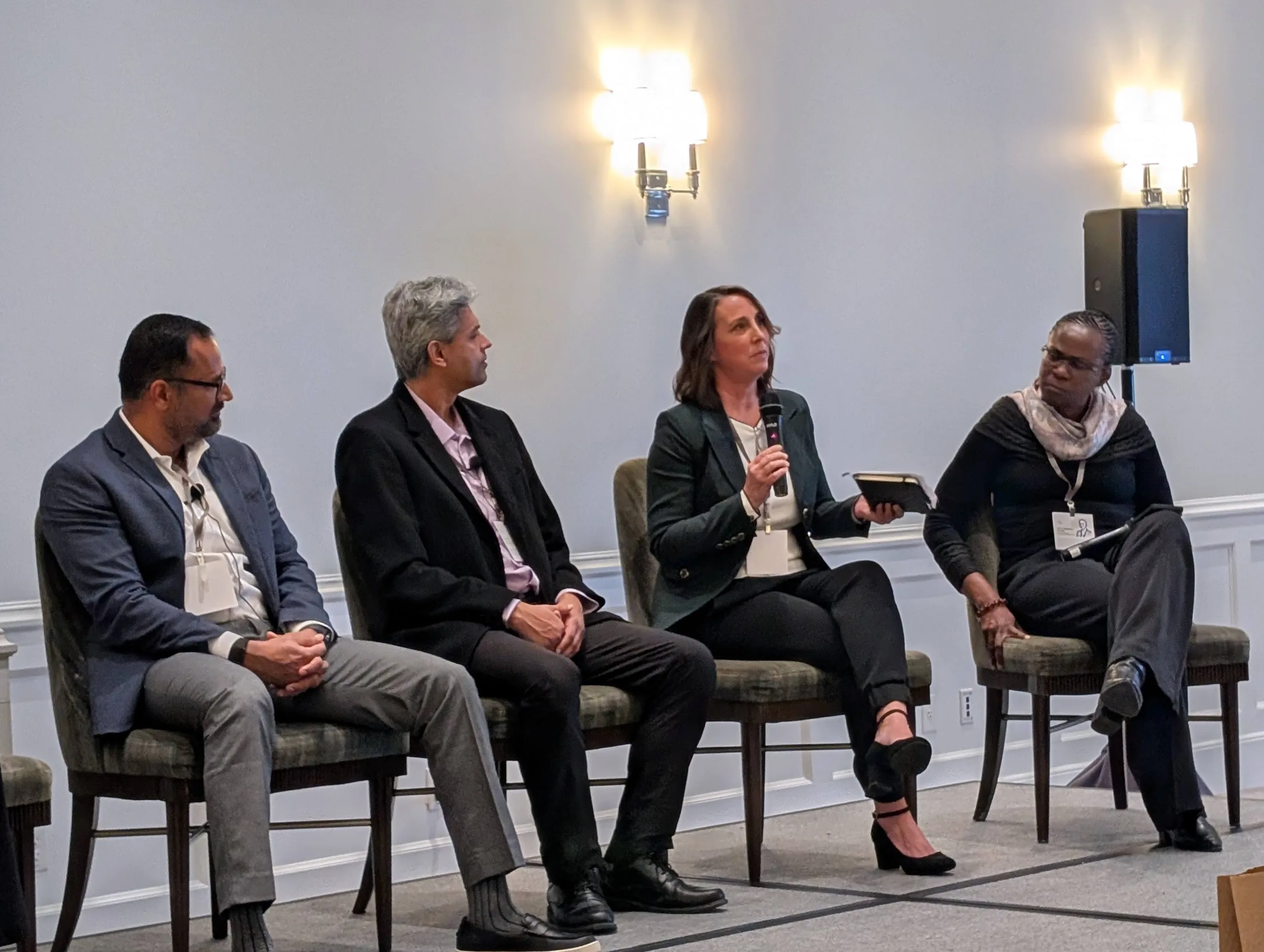
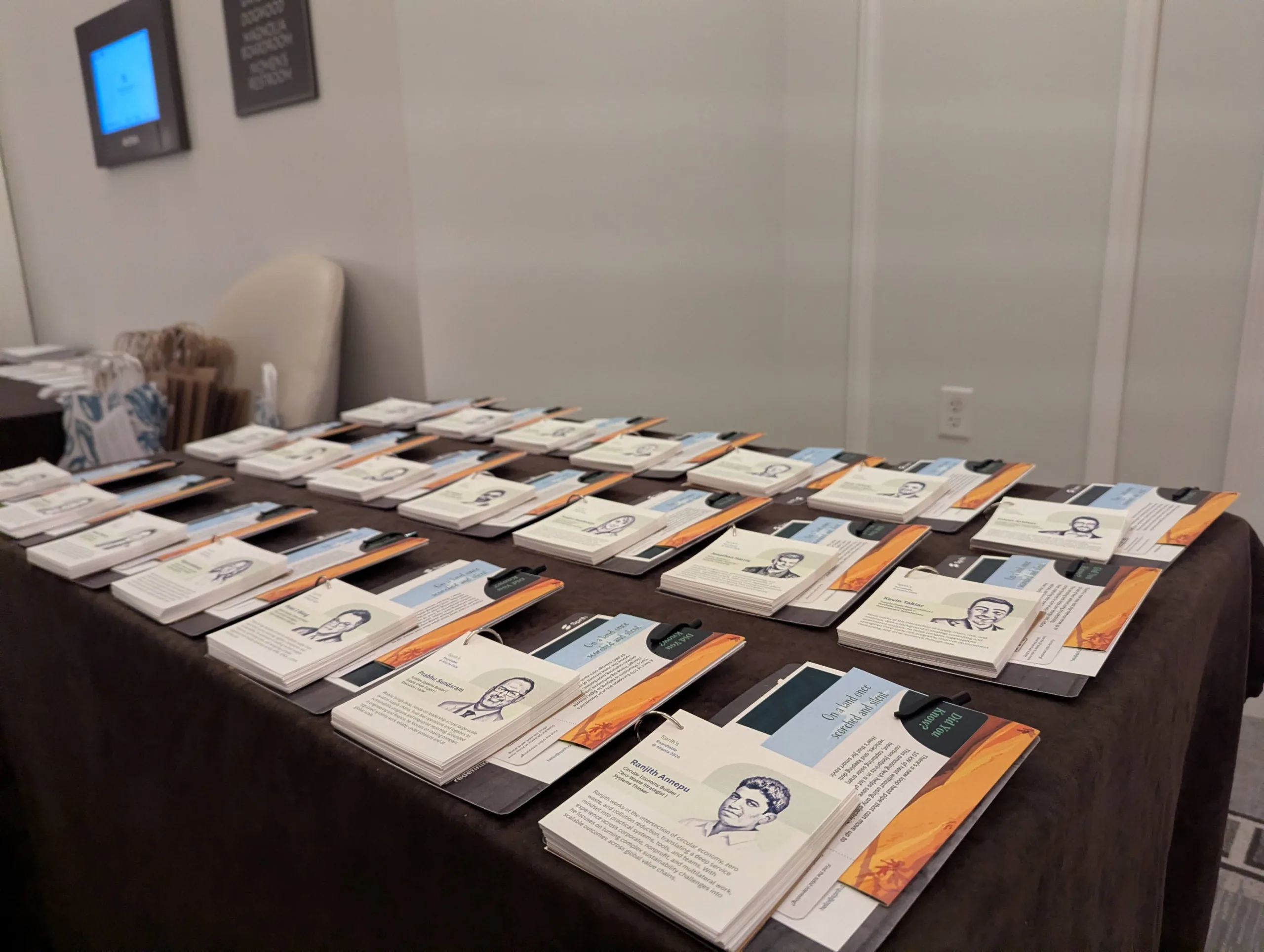
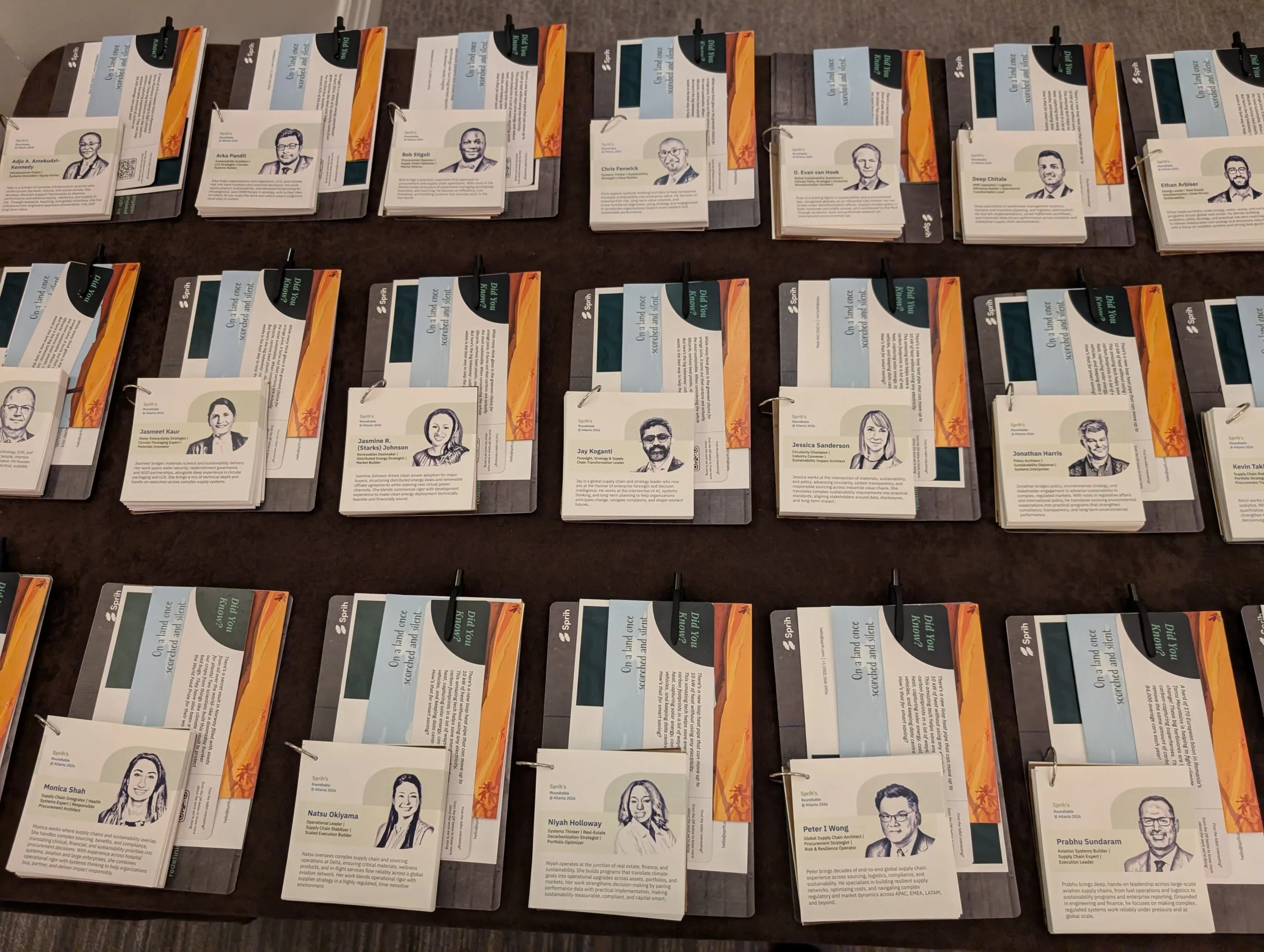
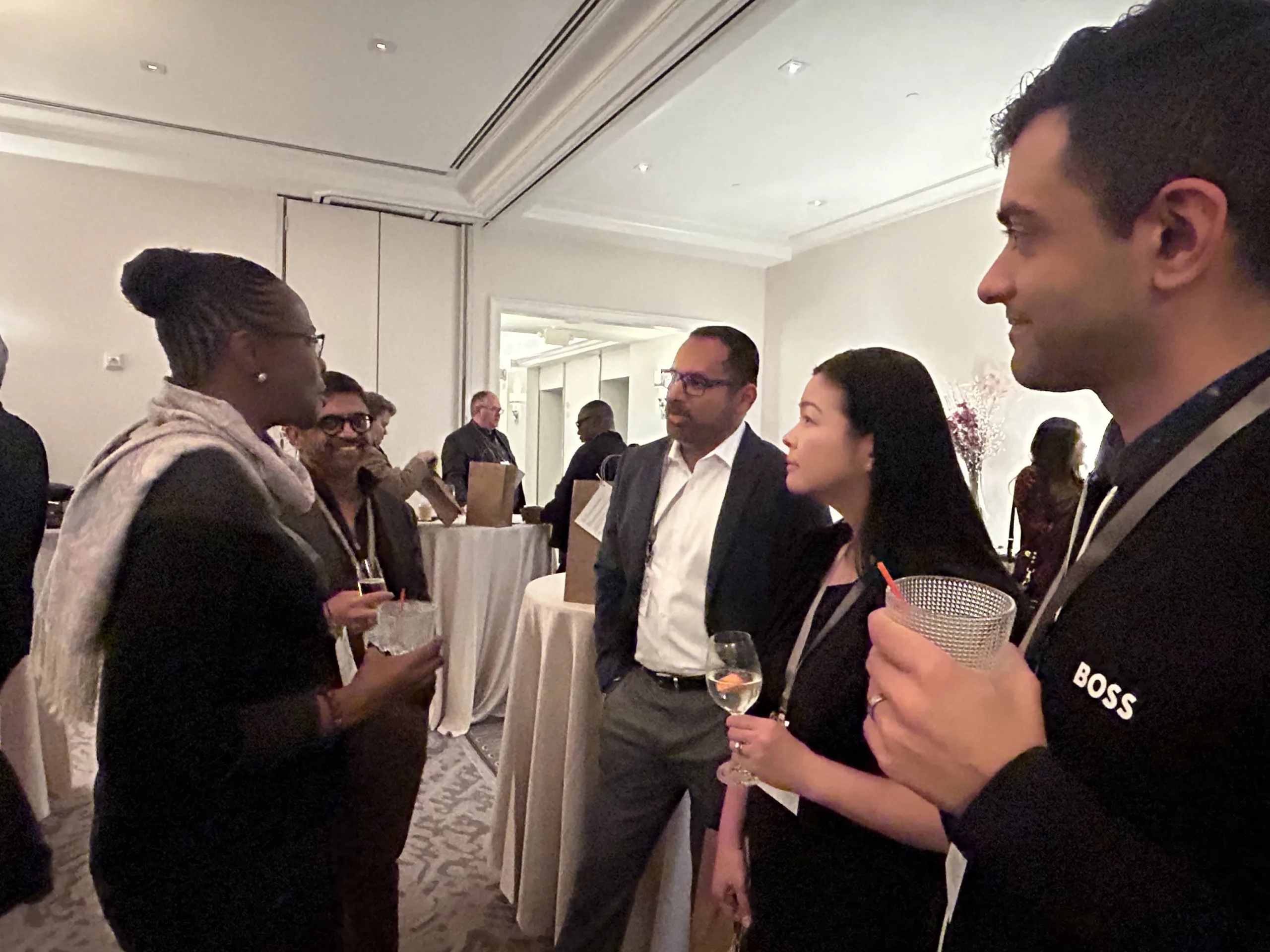
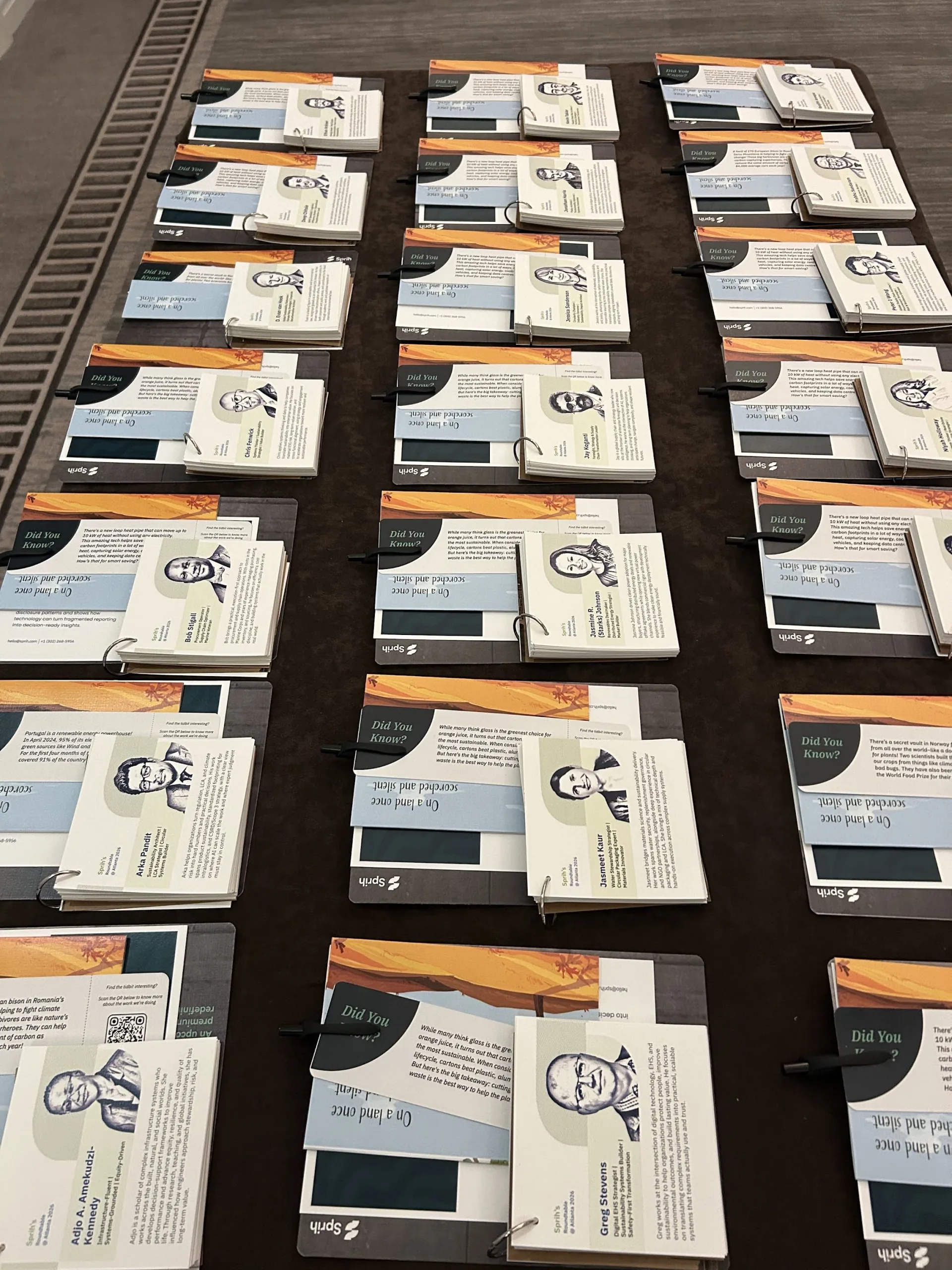
In Atlanta, we hosted 20 leaders and spoke about the real work behind sustainability—the operational struggles, the data gaps, and the human side of change. We explored how AI is moving from hype to infrastructure, and challenged each other on what “resilience” truly means as supply chains, regulations, and climate risks continue to shift.