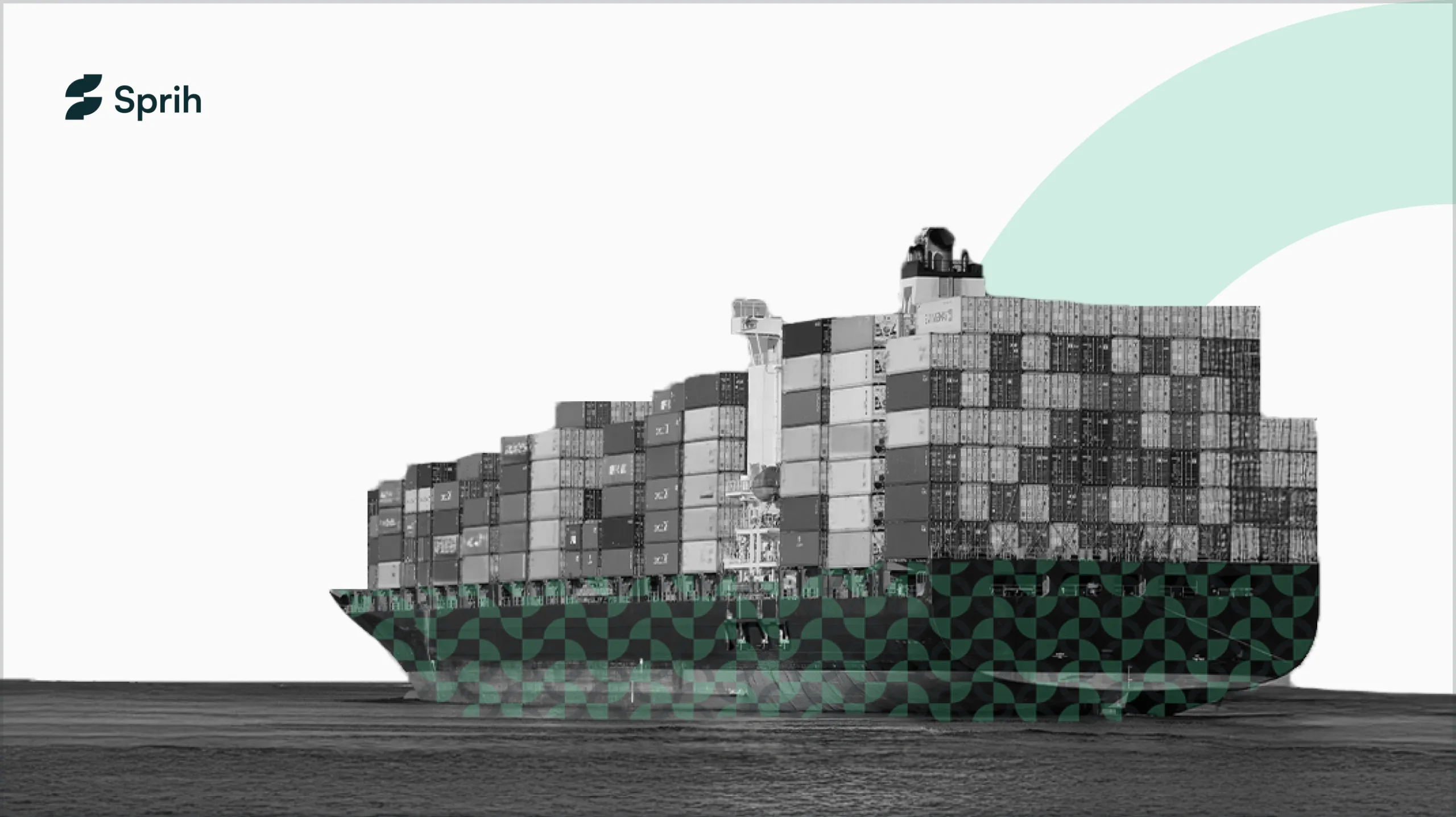
Sustainable Supply Chain Assessment for Risk and Resilience

sustainable supply chain assessment framework

Table Of Contents

Sustainable supply chain assessment has evolved into a core determinant of supply chain risk, resilience, and long-term performance. Beyond regulatory compliance and reputational exposure, sustainability metrics increasingly reveal underlying structural vulnerabilities such as supplier concentration, limited transparency, and sensitivity to environmental and geopolitical disruption. As global supply chains face heightened volatility, sustainability is emerging as a practical lens for identifying risk and strengthening operational continuity.

Leading organizations are embedding sustainability directly into supply chain assessment and decision frameworks, shifting it from a reporting obligation to a strategic capability. By evaluating value flows across materials, data, energy, and labor under constraints such as carbon intensity, resource availability, and regulatory pressure, companies are better positioned to optimize trade offs and anticipate disruption.

Supply Chain Assessment as a Strategic Diagnostic Tool

Modern supply chain assessments function as integrated diagnostics, providing a multidimensional view of sustainability and risk across the network. Key areas of analysis include:

  • Scope 3 emissions intensity across suppliers, categories, and logistics lanes
  • Supplier concentration and dependency risk combined with ESG exposure
  • Climate vulnerability mapped to critical nodes and transportation corridors
  • Gaps in governance, controls, and data integrity

These insights consistently show that sustainability risks and business risks are deeply interconnected and often originate from the same structural design decisions.

Translating Sustainability Insights into Strategic Design Principles

Assessment findings enable organizations to move from aspirational targets to practical strategic constraints that guide supply chain design and execution. For example:

  • Carbon intensity becomes an input in network optimization and sourcing models
  • Supplier sustainability maturity influences category strategies and sourcing decisions
  • Climate exposure informs inventory policies, capacity placement, and nearshoring initiatives

In this context, sustainability acts as a set of strategic design principles, ensuring trade-offs between cost, service, resilience, and environmental impact are explicit and intentional.

Integrating Sustainability Metrics into Core Decision-Making Systems

Alignment accelerates when sustainability insights are embedded directly into operational and strategic decision engines rather than treated as standalone metrics. Integrating these insights into core systems enables organizations to align cost, service, and risk objectives while operationalizing sustainability at scale. Key integration points include:

  • AI enabled planning platforms that balance service levels, cost efficiency, and emissions outcomes
  • Supply chain control towers that unify risk, sustainability, and performance intelligence
  • Supplier scorecards weighted by transparency, resilience, and compliance maturity
  • Systems that enforce sustainability criteria at the transaction level

This level of integration allows supply chains to transition from reactive management toward predictive and adaptive operations, improving resilience while supporting long term business objectives.

Sustainability as a Component of Enterprise Risk Intelligence

From a corporate risk perspective, sustainability driven assessments surface critical exposures that are often underestimated or missed entirely by traditional risk frameworks. These assessments expand visibility beyond tier one suppliers and financial metrics, enabling organizations to better understand how environmental, regulatory, and social factors translate into measurable business risk across the supply chain. Key risk dimensions commonly revealed include:

  • Regulatory and compliance risk embedded within multi tier supplier networks
    Financial exposure associated with carbon pricing, energy volatility, and resource scarcity
  • Reputational risk driven by limited traceability and labor practice vulnerabilities
  • Operational disruption risk intensified by climate related events and geopolitical instability

Business Value Creation Through Sustainable Supply Chain Design

When sustainability is aligned with supply chain strategy through assessment, organizations realize measurable benefits:

  • Enhanced resilience through diversified, transparent, and lower-risk networks
  • Cost optimization via energy efficiency, waste reduction, and smarter sourcing
  • Increased strategic flexibility to respond to regulatory, market, and disruption scenarios
  • Improved investor, customer, and stakeholder confidence driven by credible performance data

Toward Adaptive, Assessment-Led Supply Chain Strategies

Leading organizations are moving away from static sustainability roadmaps toward continuous assessment and improvement models. As environmental, regulatory, and market conditions evolve, supply chain strategies adjust in near real time. This represents a fundamental shift from sustainability as disclosure to sustainability as operational and strategic intelligence.

The Bottom Line

Supply chain assessments are no longer about maturity benchmarking alone. They are essential tools for designing resilient, future-ready supply chains. When sustainability insights inform strategy, governance, and decision-making, organizations strengthen resilience, reduce risk, and unlock long-term value.

The most successful companies will not position sustainability as a standalone initiative, they will embed it into how their supply chains are designed, governed, and continuously optimized.

If your sustainability assessments still sit alongside your supply chain strategy instead of shaping it, the gap is already creating risk. Sprih helps organizations turn sustainability data into decision-ready intelligence by embedding assessment insights directly into planning, sourcing, and risk frameworks. If you want sustainability to function as a lever for resilience and performance, not just reporting, start with an assessment model built for real-world decisions.


FAQs

What is a sustainable supply chain assessment?

A sustainable supply chain assessment is a structured evaluation of a company’s supply network through environmental, social, governance, and risk lenses. It examines factors such as emissions intensity, supplier dependency, climate exposure, governance controls, and data quality to identify vulnerabilities and opportunities for long-term resilience.

How is supply chain sustainability linked to business risk?

Sustainability risks often mirror business risks. High carbon intensity, supplier concentration, weak governance, or climate exposure can translate directly into regulatory penalties, cost volatility, operational disruption, or reputational damage. Assessments help surface these risks early.

Why is sustainability now a strategic input, not just a reporting metric?

Sustainability metrics reveal structural weaknesses that traditional cost or service metrics miss. When embedded into decision-making, they inform sourcing, network design, inventory strategy, and supplier selection—turning sustainability into a practical constraint that improves resilience and performance.

What types of insights typically emerge from a supply chain assessment?

Common insights include Scope 3 emissions hotspots, over-reliance on specific suppliers or regions, climate-vulnerable transport corridors, gaps in supplier transparency, and governance weaknesses. These insights often explain why certain disruptions or inefficiencies persist.

How do companies use assessment results to redesign supply chains?

Assessment findings are translated into design principles—such as setting carbon intensity limits for sourcing, factoring climate risk into capacity placement, or weighting supplier maturity in procurement decisions. This ensures trade-offs between cost, service, resilience, and sustainability are explicit and intentional.

Where should sustainability metrics be integrated operationally?

Sustainability insights are most effective when embedded into core systems such as AI-enabled planning tools, supply chain control towers, supplier scorecards, and transaction-level controls. This integration allows sustainability, risk, and performance to be managed together rather than in silos.

How does sustainability assessment enhance enterprise risk management?

It expands risk visibility beyond tier-one suppliers and financial metrics. Sustainability-driven assessments reveal regulatory exposure, carbon pricing risk, climate disruption risk, labor and reputational vulnerabilities, and long-term financial impacts that traditional risk frameworks often overlook.

What business benefits come from sustainable supply chain design?

Organizations benefit through stronger resilience, lower exposure to regulatory and climate shocks, cost savings from efficiency gains, improved supplier performance, and increased credibility with investors, customers, and regulators.

How is this approach different from traditional sustainability roadmaps?

Traditional roadmaps are static and disclosure-driven. Assessment-led approaches are continuous and adaptive, allowing supply chain strategies to evolve in near real time as regulations, climate conditions, and market dynamics change.

What does success look like for organizations using assessment-led strategies?

Successful organizations embed sustainability into how supply chains are designed, governed, and optimized. Rather than treating sustainability as a standalone initiative, they use it as operational intelligence to reduce risk, improve resilience, and drive long-term value creation.

Social
Certifications
Subscribe to Sprih's Newsletter and start leading the change.
© 2026 Sprih. All rights reserved.

2025 changed how sustainability gets done. Find out what happens when purpose meets reality in