
The term carbon footprint pops up everywhere—from corporate reports to everyday conversations about climate change. But what does it really mean? In essence, a carbon footprint measures the total greenhouse gas (GHG) emissions directly and indirectly caused by an individual, organization, product, or activity. It’s a universally recognized metric for environmental impact, typically expressed in CO₂ equivalents (CO₂e).
Why care? Because calculating your carbon footprint is the first step toward understanding and reducing your impact on the planet. For professionals, especially those in sustainability, operations, or compliance, knowing your footprint is now a business imperative. Investors, regulators, and customers are asking tough questions, and the answers start here.
If a carbon footprint is the final tally, carbon accounting is the system that gets you there. Think of it as the structured process of identifying, quantifying, and reporting GHG emissions across an organization or supply chain. This often involves following recognized standards, such as the GHG Protocol or ISO 14064, to ensure accuracy and comparability.
In practice:
Example: A multinational retailer like Walmart uses carbon accounting to measure emissions across its stores, distribution centers, and suppliers, enabling it to set science-based targets and publicly report progress.
When exploring the world of GHG measurement, you’ll encounter terms like emissions inventory and footprint. They sound similar, but there are subtle differences that matter—especially if you’re benchmarking, setting targets, or preparing disclosures.
An emissions inventory is a comprehensive, itemized list of all the GHG emissions sources within a defined boundary—be it a company, city, or nation. It’s a granular dataset, often used for regulatory or voluntary reporting.
A carbon footprint is typically a summarized figure—a headline number representing total emissions over a period. It distills the inventory into a single, digestible metric for communication, benchmarking, and goal-setting.
For sustainability professionals, recognizing the difference between carbon accounting and carbon footprinting isn’t just semantics—it shapes your entire approach.
Pro tip: Don’t rely on a single carbon footprint number to drive action. Use your emissions inventory to identify hotspots, set meaningful targets, and track interventions in detail.
Building a credible sustainability program means leveraging both carbon accounting and carbon footprinting. Here’s how to do it right:
In summary, carbon accounting is the rigorous process of measuring and documenting emissions, while a carbon footprint is the big-picture metric that communicates your impact. Both are crucial. Understanding the nuances between emissions inventory vs footprint can elevate your sustainability strategy, improve reporting, and drive real-world results.
Ready to Take Action?
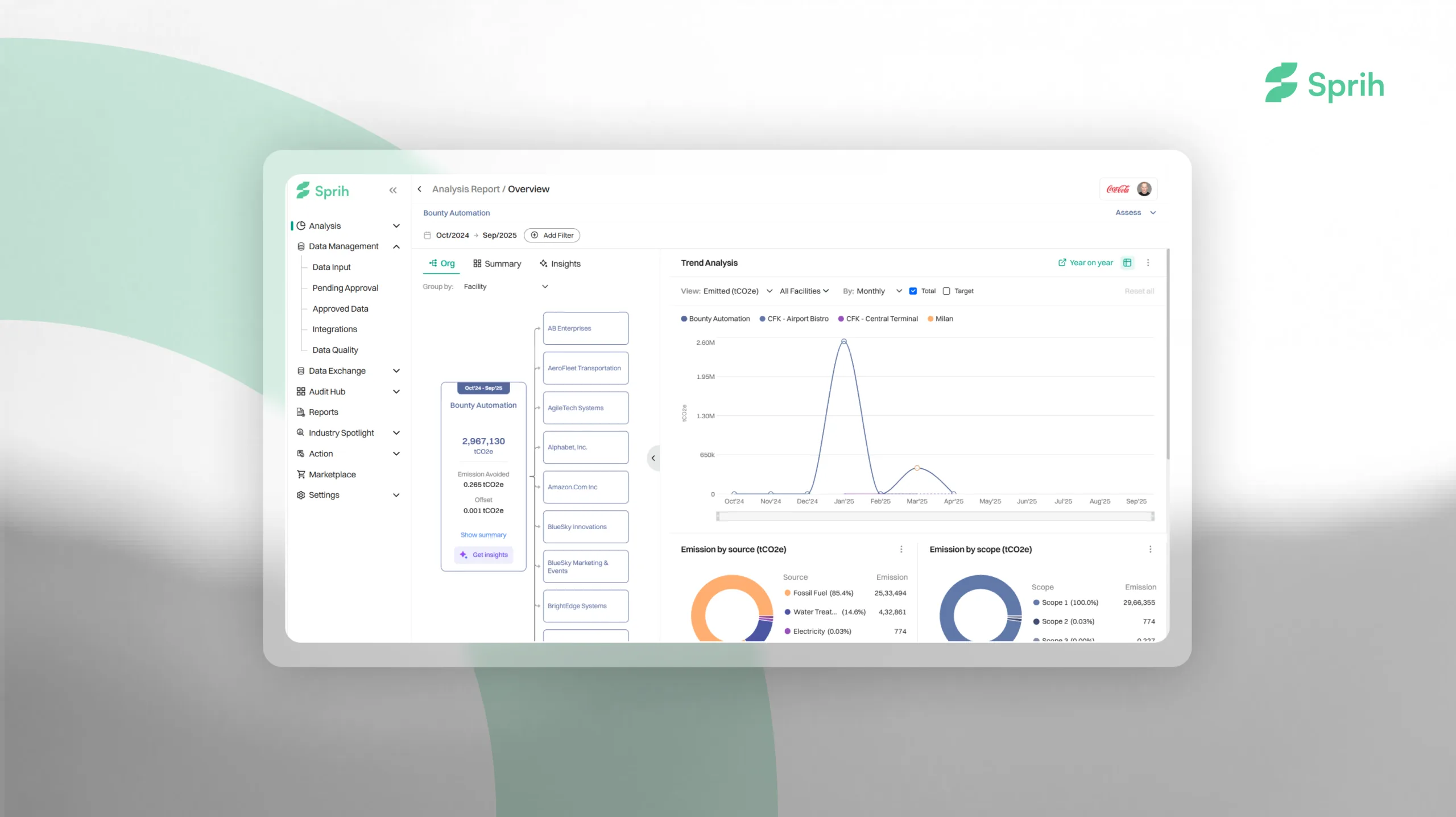
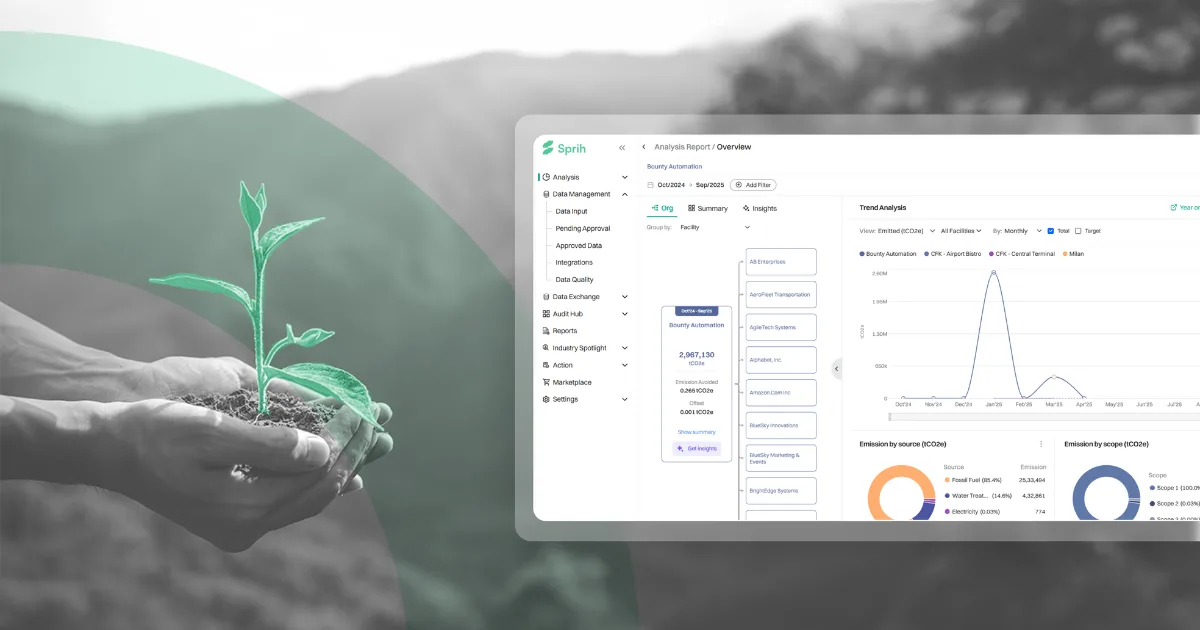
See how Sprih equips organizations to measure, manage, and cut their carbon footprint with clarity, precision, and AI that actually delivers.