The term carbon footprint has become a staple in sustainability discussions, but what does it really mean? At its core, a carbon footprint measures the total greenhouse gas emissions caused directly and indirectly by an individual, organization, event, or product. Typically, these emissions are expressed in terms of carbon dioxide equivalent (CO₂e) to account for all major greenhouse gases, including methane and nitrous oxide.
Think of your carbon footprint as a snapshot of your environmental impact, encompassing everything from your morning coffee to your commute to work. For businesses, it can include everything from office operations to manufacturing and supply chain logistics.
Climate change is not just an environmental issue—it’s a financial and reputational one. Companies across the globe are under mounting pressure from investors, regulators, and customers to disclose and reduce their carbon footprints. Carbon footprint analysis enables organizations to:
A robust carbon footprint analysis is now a critical component of risk management and brand strategy. According to CDP, companies that actively manage and plan for climate change secure an 18% higher return on investment than companies that don’t.
Breaking down your carbon footprint reveals a web of interconnected activities and processes. The Greenhouse Gas Protocol—the most widely used standard for carbon accounting—classifies emissions into three scopes:
A global tech company’s Scope 1 emissions might come from company cars and office heating, while Scope 2 covers the electricity used in data centers. Scope 3, often the largest portion, includes emissions from manufacturing components, employee business flights, and even end-of-life disposal of devices.
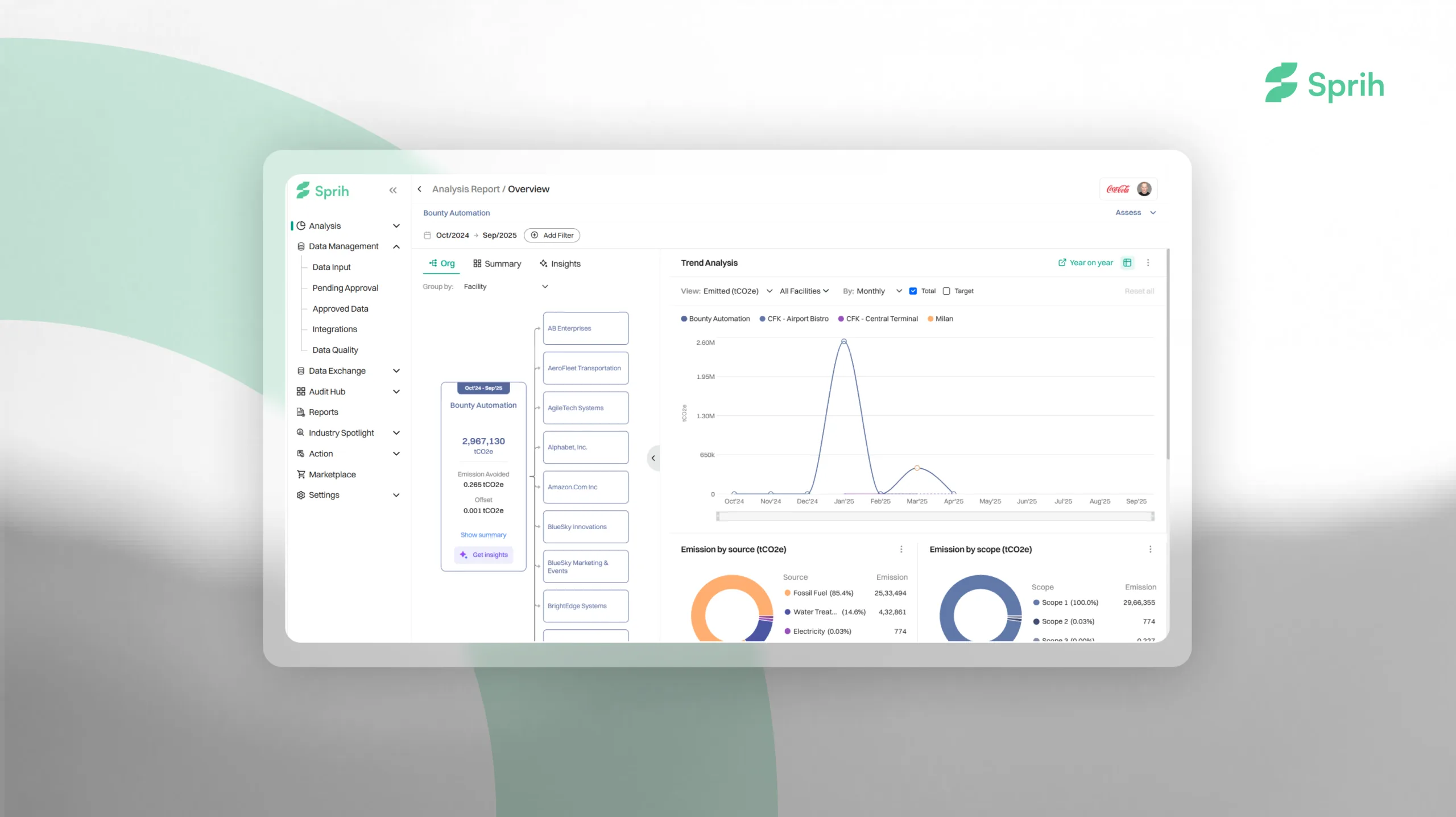
Performing a carbon footprint analysis can seem daunting, but it follows a systematic process:
Many organizations use software like the GHG Protocol calculators or third-party platforms to streamline this process. Some industries have sector-specific guidance to ensure accuracy and comparability.
Once you’ve completed a carbon footprint analysis, the next step is action. Effective strategies include:
Understanding and managing your carbon footprint is not just about compliance or reputation. It’s about contributing to the larger movement toward a low-carbon economy. The United Nations Sustainable Development Goals (SDGs), particularly SDG 13 (Climate Action), highlight the pivotal role companies play in global emissions reduction.
Regulatory trends are also on the rise. The EU’s Corporate Sustainability Reporting Directive (CSRD) and similar mandates elsewhere are making carbon accounting non-negotiable for many organizations.
Looking ahead, carbon footprint analysis will only become more crucial. With the rise of carbon pricing, supply chain transparency, and digital reporting, businesses that proactively measure and reduce their footprints will be better positioned to lead—and thrive—in a rapidly changing world.
Understanding your carbon footprint is the first step toward meaningful climate action. Whether you’re aiming to comply with new regulations, meet stakeholder expectations, or simply future-proof your business, a data-driven, transparent approach is essential.
Ready to take the next step? See how Sprih helps organizations like yours manage and reduce their carbon footprint.